
Author(s): Emily Carter*
Social media has become an integral component of contemporary social life, influencing how individuals communicate, develop relationships, obtain information, express identity, and seek support. At the same time, growing concerns have emerged regarding its potential effects on mental well-being, particularly among adolescents and young adults. Excessive or problematic social media use has been associated with experiences such as social comparison, cyberbullying, sleep disruption, anxiety, loneliness, and reduced psychological well-being. However, viewing social media exclusively as a source of harm provides an incomplete understanding of its role in people's lives. Online platforms can also facilitate social connection, peer support, community participation, health communication, and access to mental-health information. Recent research suggests that the relationship between social media and mental well-being is complex, bidirectional, and influenced by individual, social, developmental, and platform-related factors. This commentary argues that the central question should not be whether social media is inherently harmful or beneficial, but rather how, why, for whom, and under what circumstances social media influences mental well-being. A more nuanced approach is needed from researchers, families, educational institutions, policymakers, and technology companies. Future research should move beyond measuring time spent online and examine the quality, purpose, content, and context of social media engagement.

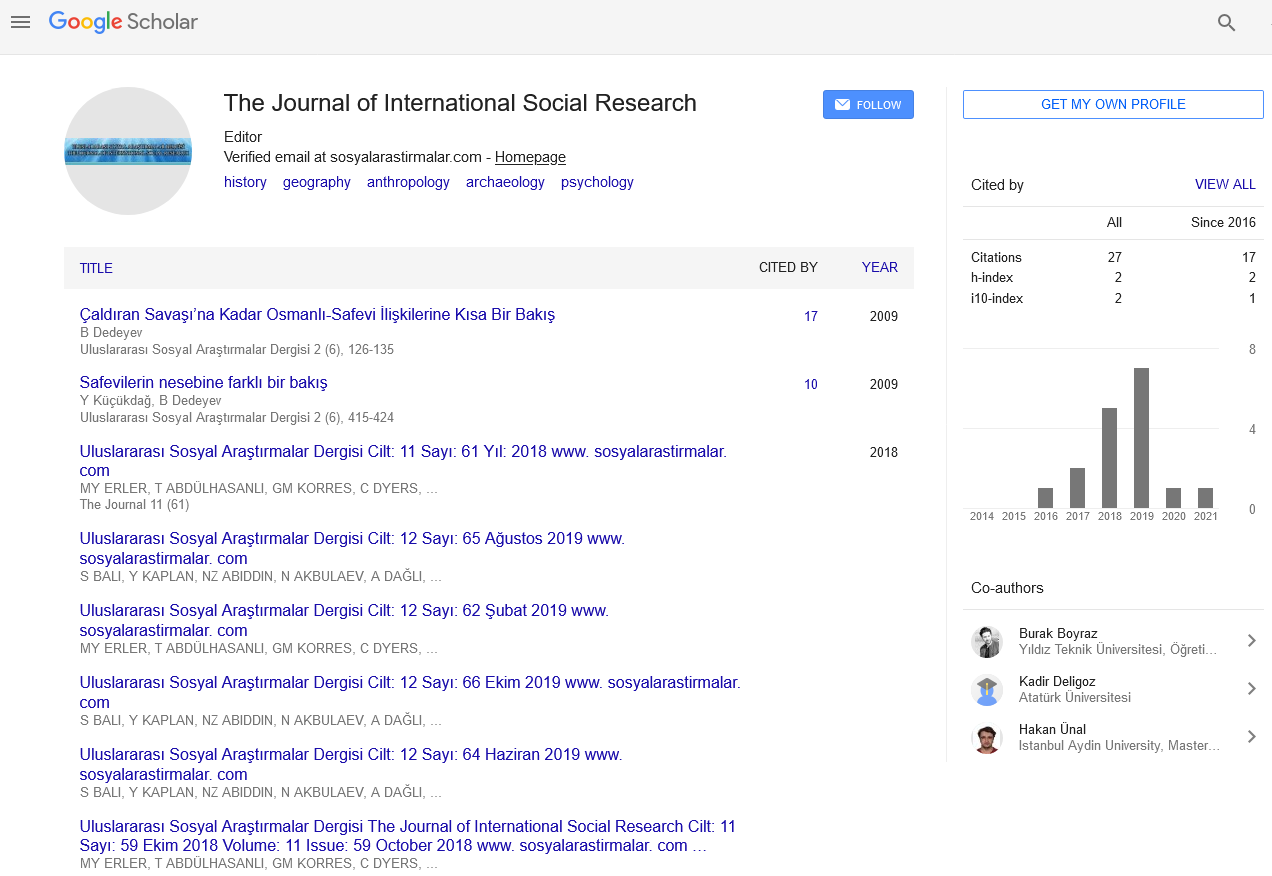
The Journal of International Social Research received 8982 citations as per Google Scholar report